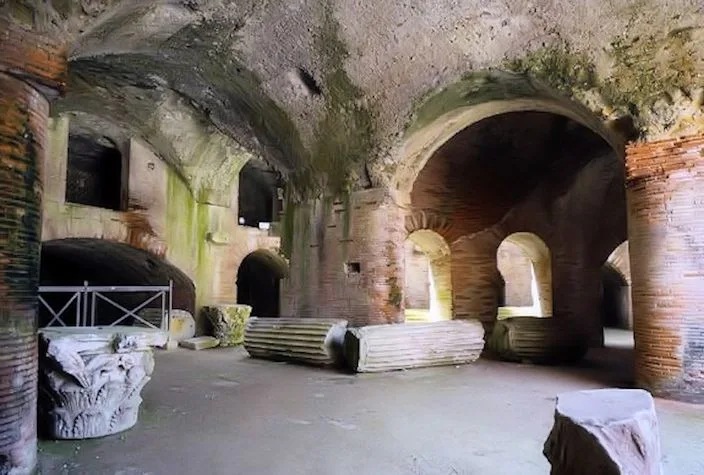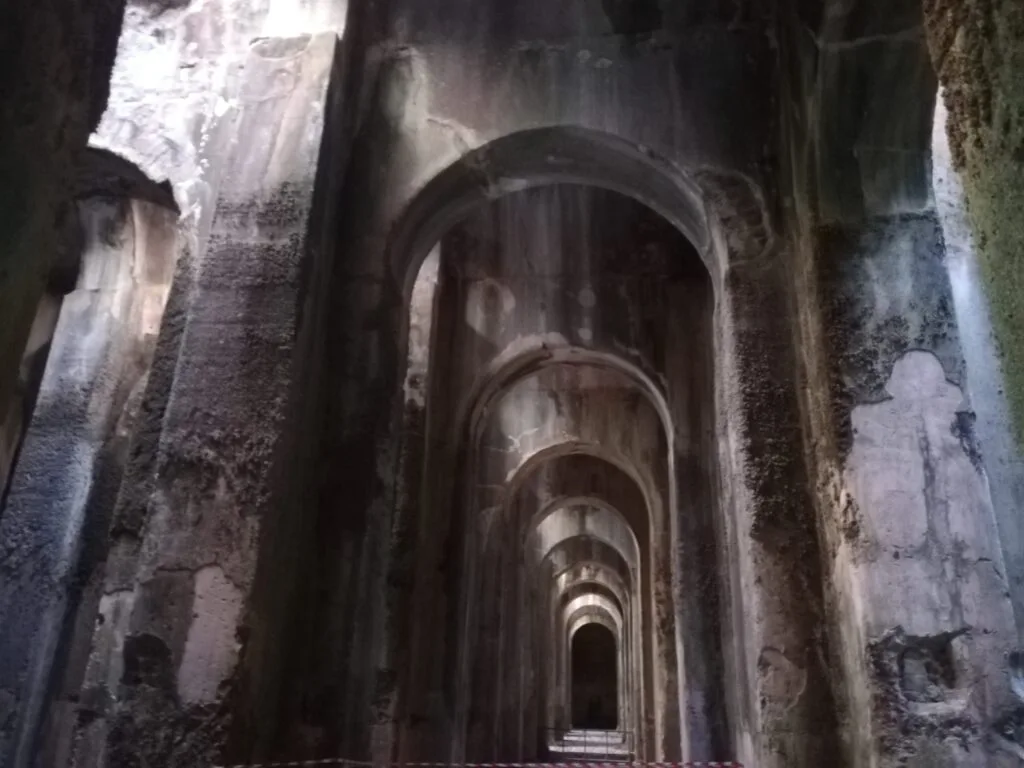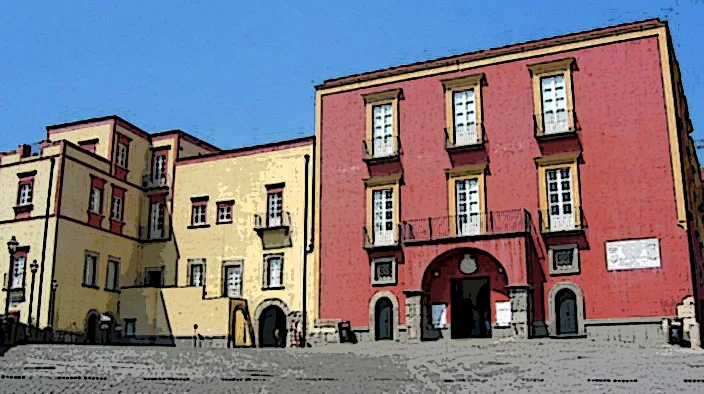
The underground chambers of the Flavian Amphitheatre reveal the hidden work behind spectacles in ancient Puteoli.
LISTEN TO THE STORY
Audio guide
Voice settings
Read the transcript
The underground chambers of the Flavian Amphitheatre reveal the hidden work behind spectacles in ancient Puteoli.
The lower level was a functional space with service chambers and connections to the arena floor. The surviving structures reveal the complexity of the building. Not all architectural fragments stored here reflect their original positions: some were relocated during modern investigations.
The drainage system illustrates the connection to the urban water network. This guide can be used remotely, regardless of physical opening.
Its architecture had to meet different needs from those of the seating.
Some fragments visible today originally belonged to other areas of the building.
When the sector is closed, its meaning can still be understood through documentation.
This guide is designed to help you discover the site remotely as well. Respect closures and access restrictions.
History
The lower level was a functional space with service chambers and connections to the arena floor. The surviving structures reveal the complexity of the building. Not all architectural fragments stored here reflect their original positions: some were relocated during modern investigations.
The drainage system illustrates the connection to the urban water network. This guide can be used remotely, regardless of physical opening.
What to notice
- Vaults and supports in documentary photographs.
- The distinction between relocated fragments and structures in situ.
Frequently asked questions
Can I visit now?
The Park lists the chambers as temporarily closed.
Are they a separate monument?
No, they form part of the Flavian Amphitheatre complex.