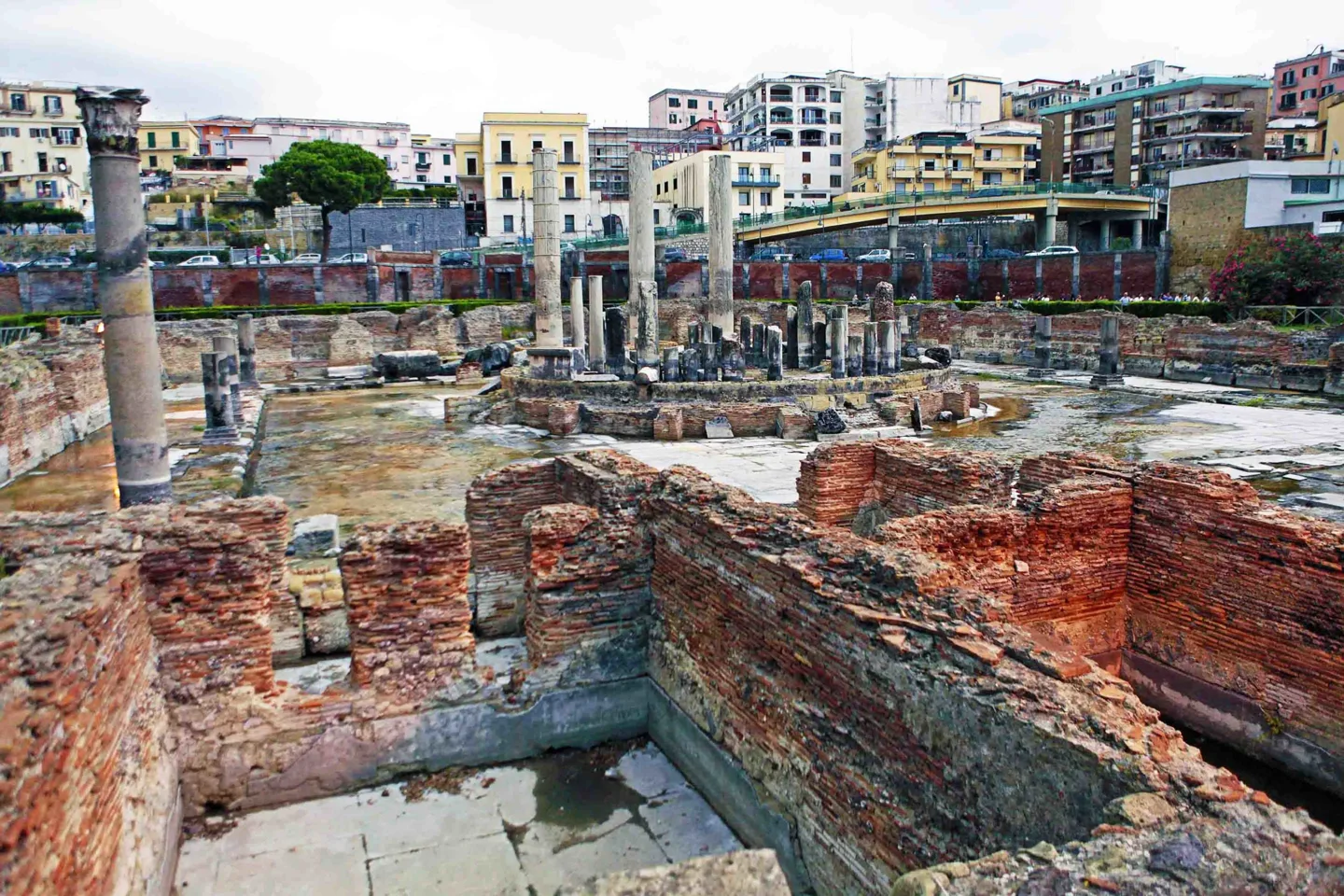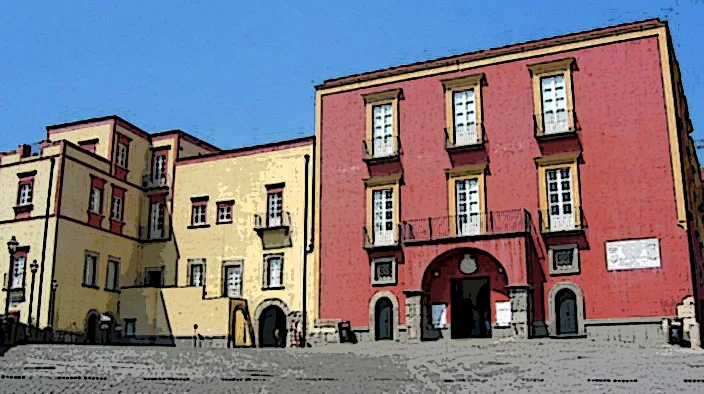
Santa Maria delle Grazie reflects the growth of modern Pozzuoli and the relationship between devotion and town life.
LISTEN TO THE STORY
Audio guide
Voice settings
Read the transcript
Santa Maria delle Grazie reflects the growth of modern Pozzuoli and the relationship between devotion and town life.
According to the local tourism association, the church was founded in the early sixteenth century near today’s Piazza della Repubblica and became a parish in 1624. The diocesan archive preserves records of the community. Proximity to the sea brought damp and flooding; in the nineteenth century the building was rebuilt to a design by Achille Catalano.
Twentieth-century alterations and work responding to ground deformation illustrate the relationship between heritage and local conditions. A Last Supper attributed to Giacinto Diano is among the historically documented artworks. This does not establish the painting’s current location.
Rebuilding and restoration show the challenges of preserving a building in a changing environment.
The parish’s artworks and records preserve part of the town’s memory.
This guide is designed to help you discover the site remotely as well. Respect closures and access restrictions.
History
According to the local tourism association, the church was founded in the early sixteenth century near today’s Piazza della Repubblica and became a parish in 1624. The diocesan archive preserves records of the community. Proximity to the sea brought damp and flooding; in the nineteenth century the building was rebuilt to a design by Achille Catalano.
Twentieth-century alterations and work responding to ground deformation illustrate the relationship between heritage and local conditions. A Last Supper attributed to Giacinto Diano is among the historically documented artworks. This does not establish the painting’s current location.
What to notice
- The square and urban layout in archival images
- Documentation of the dome and furnishings
- The Last Supper in art-historical sources
Frequently asked questions
Why was it rebuilt in the nineteenth century?
Local history links rebuilding to damage including the effects of water and damp.
Can I visit?
The heritage authority’s report filed with the Chamber of Deputies on 24 November 2026 identifies concerns affecting this building. Do not travel there for a visit; await official confirmation that the site and access roads have reopened.