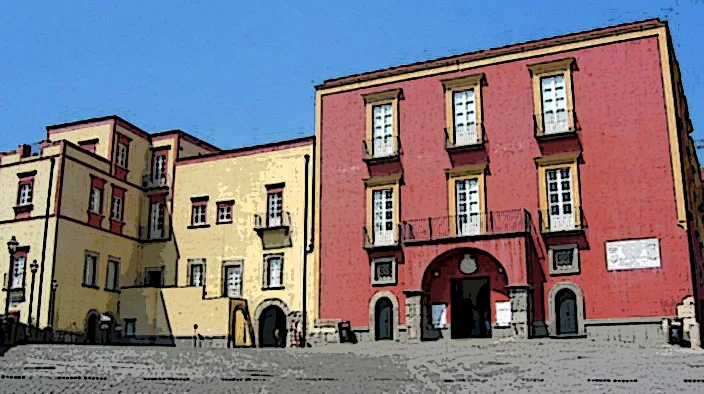
The church of the Holy Name of Jesus, known as San Giuseppe, recalls art and patronage in eighteenth-century Pozzuoli.
LISTEN TO THE STORY
Audio guide
Voice settings
Read the transcript
The church of the Holy Name of Jesus, known as San Giuseppe, recalls art and patronage in eighteenth-century Pozzuoli.
The national heritage catalogue dates construction between 1703 and 1706. Local history attributes the initiative to the confraternity of Saint Joseph, which promoted construction on donated land. The official and popular names reflect the connection between the church’s dedication and the community that supported it.
The catalogue documents paintings by Paolo de Matteis and Girolamo Cenatiempo; local accounts also recall the discovery during construction of the Roman statue known as Santo Mamozio. This offers a possible connection with the archaeological museum at Baia, to be confirmed through the museum’s object record. The history of removal and relocation of furnishings requires caution: their present location cannot be assumed.
During building work, according to local accounts, a trace of the Roman town also emerged.
It illustrates how ancient history can reappear within the modern urban fabric.
This guide is designed to help you discover the site remotely as well. Respect closures and access restrictions.
History
The national heritage catalogue dates construction between 1703 and 1706. Local history attributes the initiative to the confraternity of Saint Joseph, which promoted construction on donated land. The official and popular names reflect the connection between the church’s dedication and the community that supported it.
The catalogue documents paintings by Paolo de Matteis and Girolamo Cenatiempo; local accounts also recall the discovery during construction of the Roman statue known as Santo Mamozio. This offers a possible connection with the archaeological museum at Baia, to be confirmed through the museum’s object record. The history of removal and relocation of furnishings requires caution: their present location cannot be assumed.
What to notice
- Confraternity patronage
- Paintings documented in the sources
- Modern construction and ancient urban layers
Photo gallery
1 photo
Frequently asked questions
Why does the church have two names?
The formal dedication to the Holy Name of Jesus coexists with the popular name associated with the confraternity of Saint Joseph.
Can I visit the church?
The heritage authority report dated 24 November 2026 identifies concerns affecting this building. This guide is for remote reading: do not travel to the site for a visit until reopening and access have been officially confirmed.