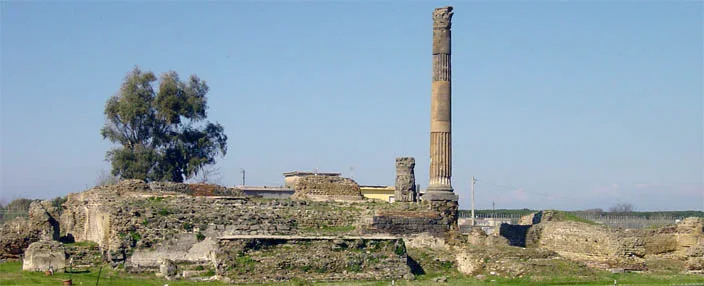
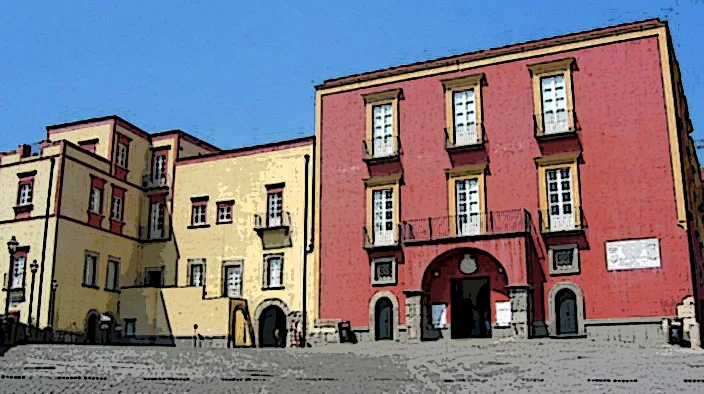
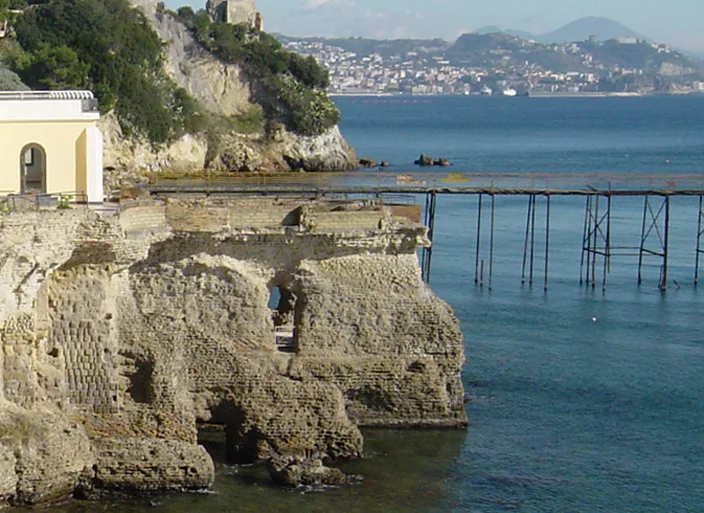
From Aragonese walls to sculptures from ancient Baia, the castle brings Cumae, Puteoli and Misenum together above the bay.
LISTEN TO THE STORY
Audio guide
Voice settings
Read the transcript
A Roman villa, a fortress and a museum occupy the same headland at Baia.
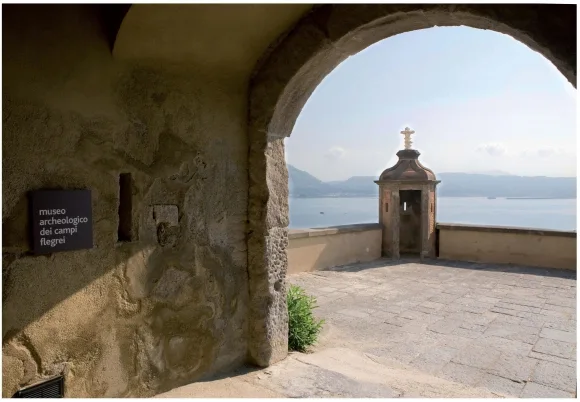
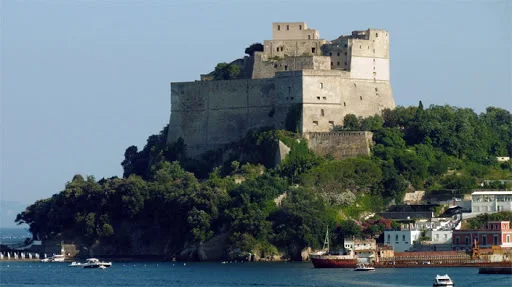
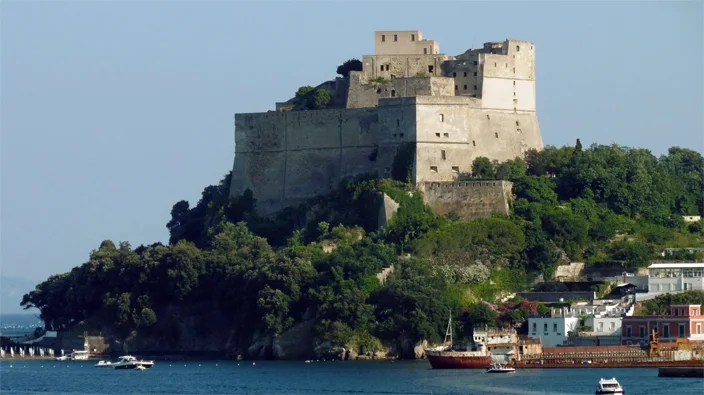
Baia’s Aragonese Castle commands a headland overlooking the bay. Built in the late fifteenth century and enlarged under Spanish viceregal rule, it bears witness to centuries of coastal defence. Its position reveals the importance of the sea for communication and security as well as for the view.
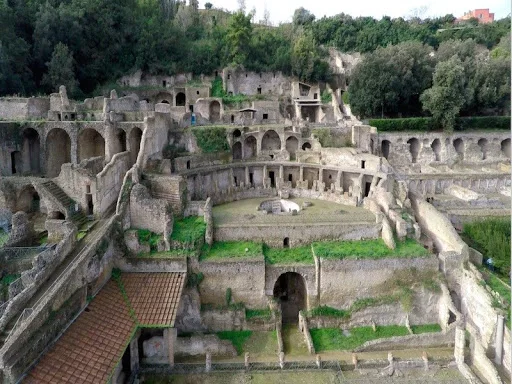
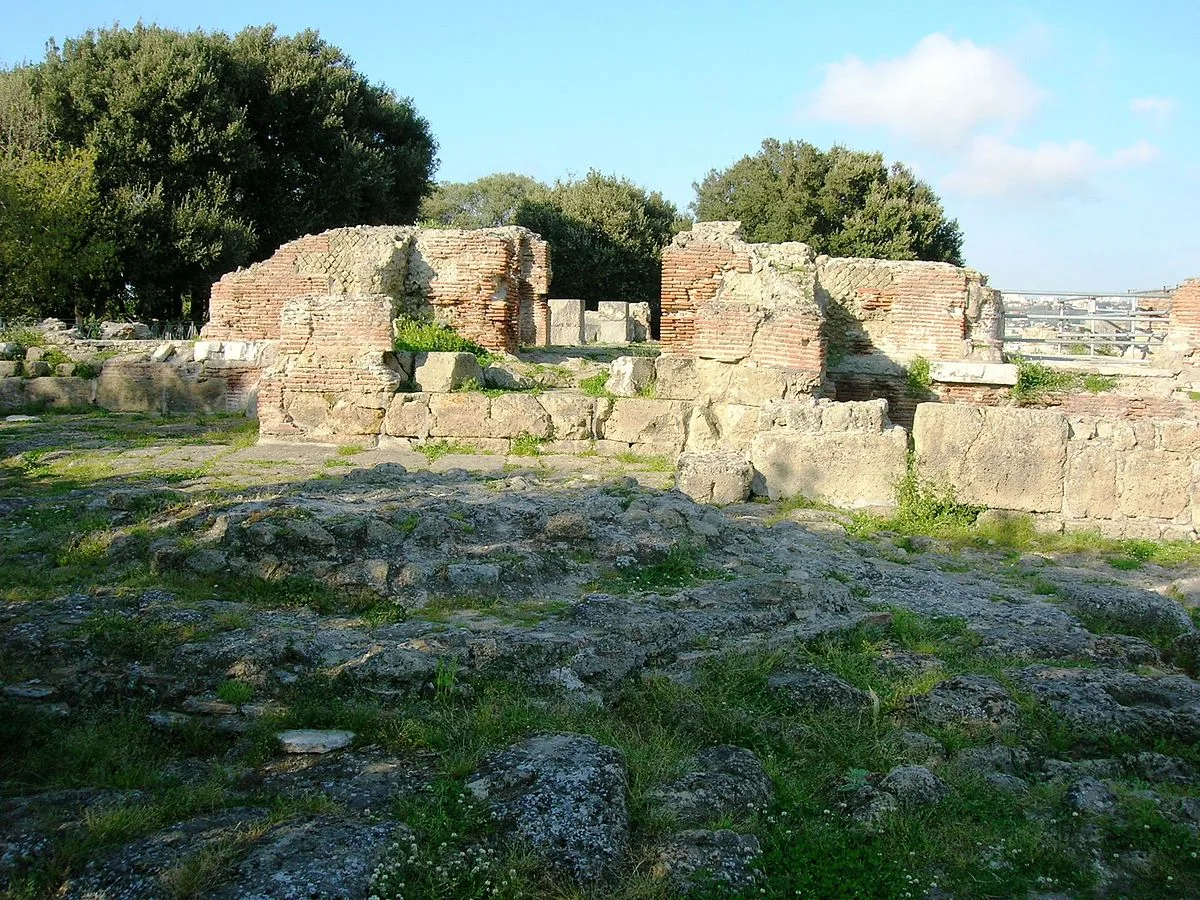
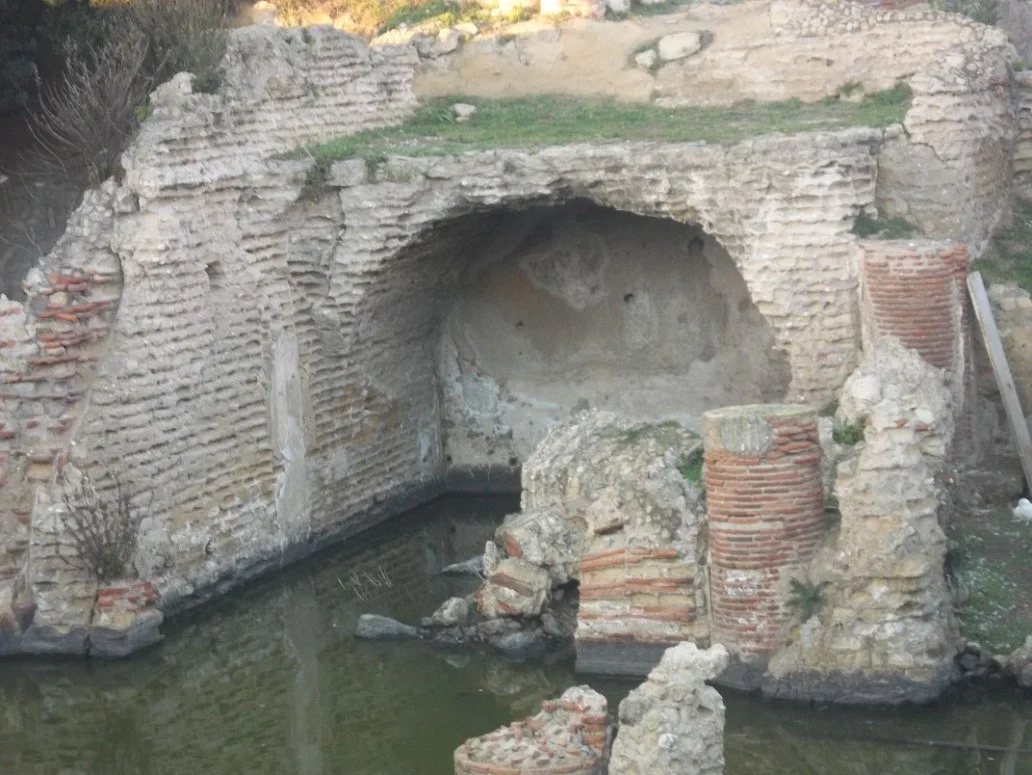
Beneath the fortifications survive rooms from a Roman residence dating to the late Republic and modified in the Julio-Claudian period. A possible association with Julius Caesar remains hypothetical. The floors and decoration nevertheless reveal its prestigious character. The Knight Pavilion represents a modern chapter in interpreting these layers of history.
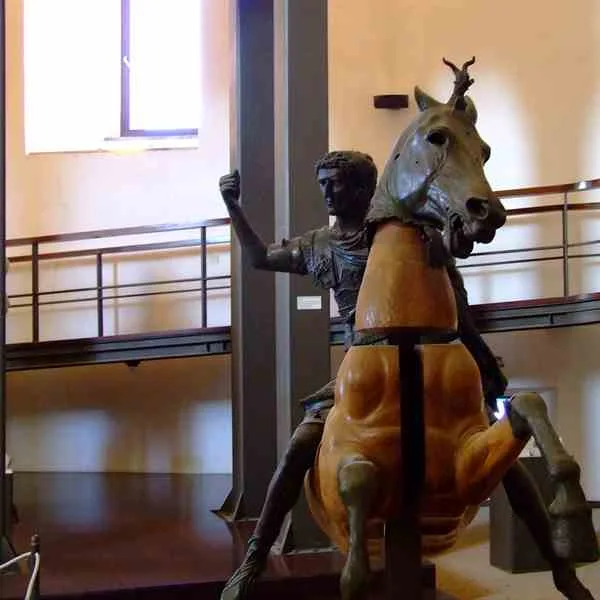
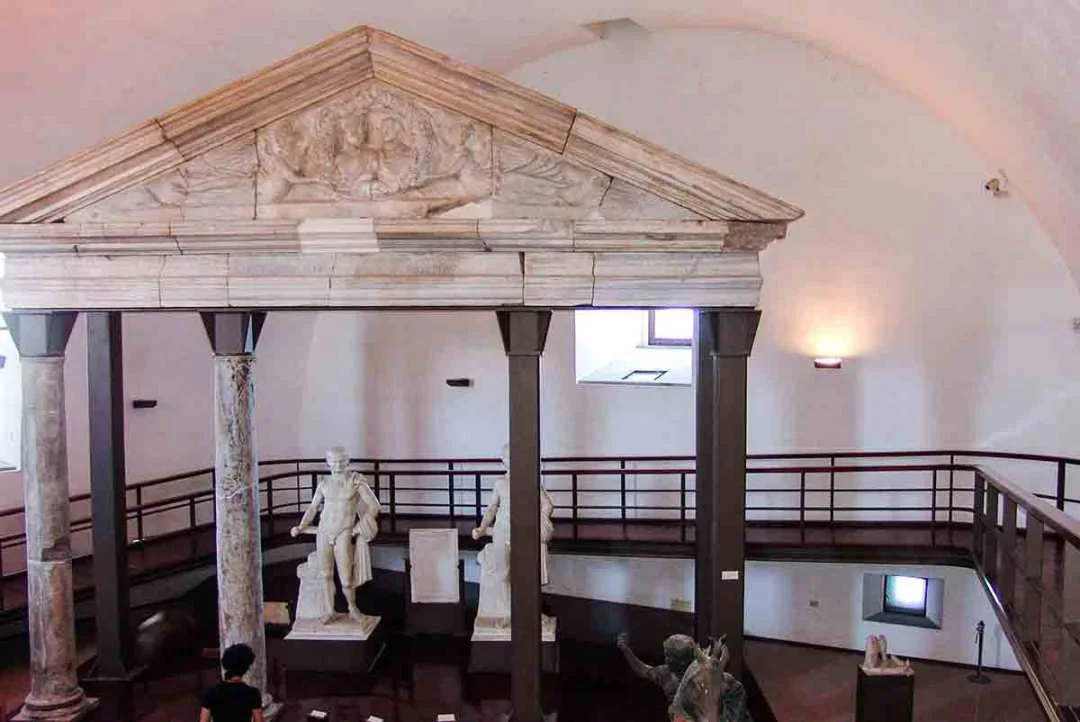
The Phlegraean Fields Archaeological Museum brings together finds from the region’s ancient towns. Cumae tells of encounters between cultures; Puteoli evokes urban life and trade; finds from Misenum, Baia and Liternum illuminate coastal communities. Each object's place of origin is the starting point for understanding its significance.
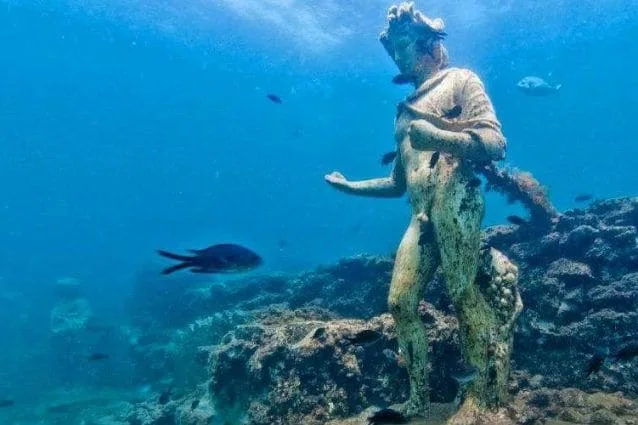
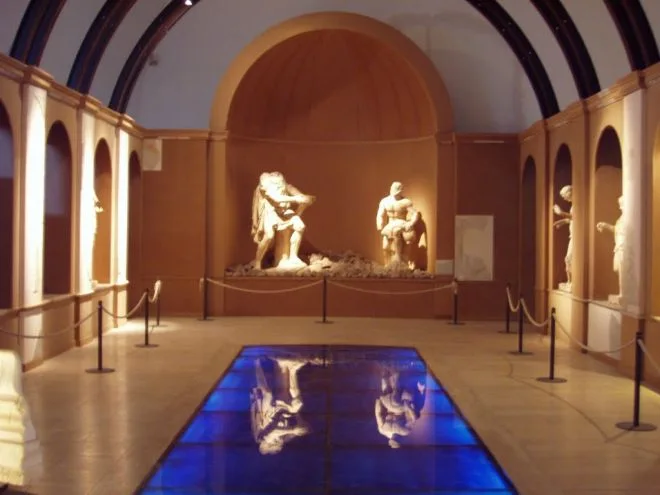
One of the most evocative stories comes from the submerged nymphaeum at Punta Epitaffio, associated with the age of Claudius. Sculptures of Odysseus recall the myth of Polyphemus, and the museum reconstruction evokes their original setting. Recovered originals, reconstructions and underwater replicas must be distinguished; individual displays may change.
The castle tells of coastal defence; the Roman rooms evoke prestigious ancient residences.
History
A fortress above the bay
Baia’s Aragonese Castle commands a headland overlooking the bay. Built in the late fifteenth century and enlarged under Spanish viceregal rule, it bears witness to centuries of coastal defence. Its position reveals the importance of the sea for communication and security as well as for the view.
The Roman villa beneath the walls
Beneath the fortifications survive rooms from a Roman residence dating to the late Republic and modified in the Julio-Claudian period. A possible association with Julius Caesar remains hypothetical. The floors and decoration nevertheless reveal its prestigious character. The Knight Pavilion represents a modern chapter in interpreting these layers of history.
A museum of regional history
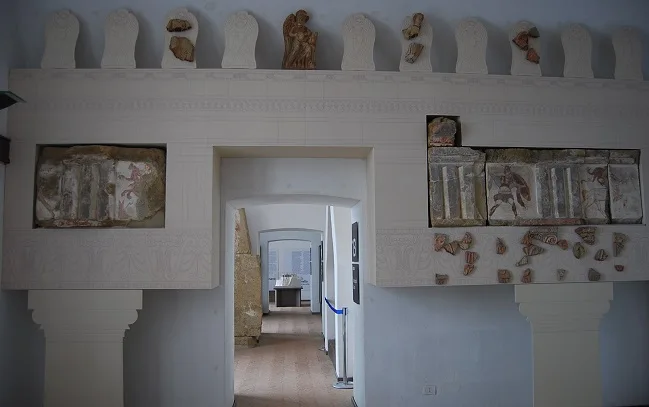
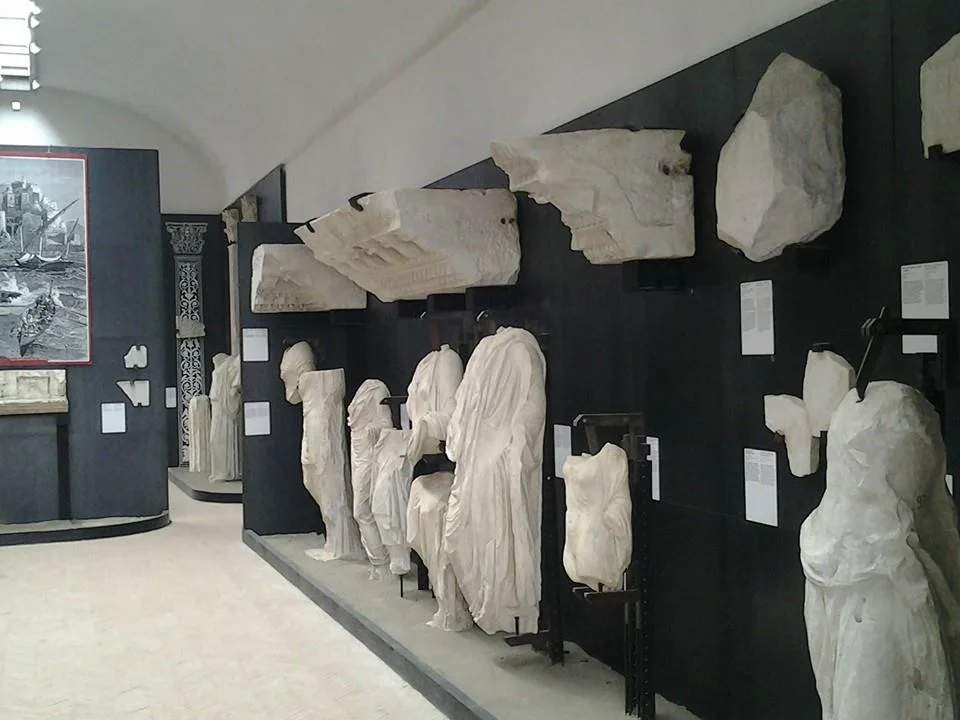
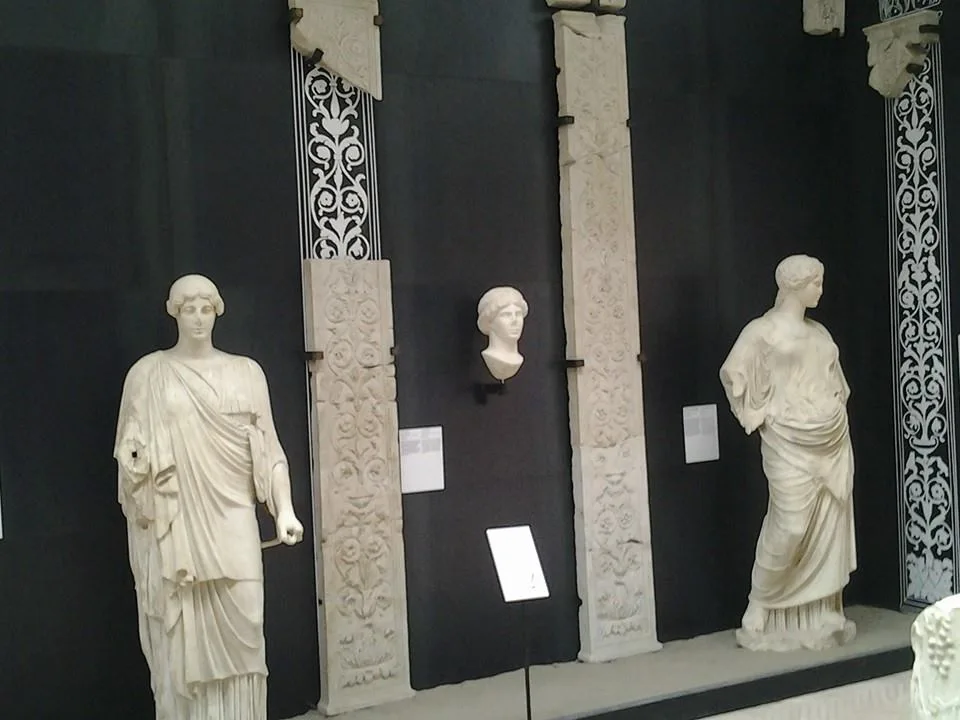
The Phlegraean Fields Archaeological Museum brings together finds from the region’s ancient towns. Cumae tells of encounters between cultures; Puteoli evokes urban life and trade; finds from Misenum, Baia and Liternum illuminate coastal communities. Each object's place of origin is the starting point for understanding its significance.
Baia’s sea and the myth of Odysseus
One of the most evocative stories comes from the submerged nymphaeum at Punta Epitaffio, associated with the age of Claudius. Sculptures of Odysseus recall the myth of Polyphemus, and the museum reconstruction evokes their original setting. Recovered originals, reconstructions and underwater replicas must be distinguished; individual displays may change.
Historical timeline
- Late Republic
Roman villa; Julio-Claudian alterations.
Source - 1490–1493
Aragonese construction.
Source - XVI–XVIII secolo
Viceregal expansions.
Source - 20/11/2025
Knight Pavilion route inaugurated.
Source
What to notice
- The relationship between headland, bay and fortifications, from authorised areas.
- Different building phases and Roman remains beneath the castle.
- Labels recording provenance, material, date and inventory number.
- Differences between original sculpture, museum reconstruction and modern replicas.
Photo gallery
10 photos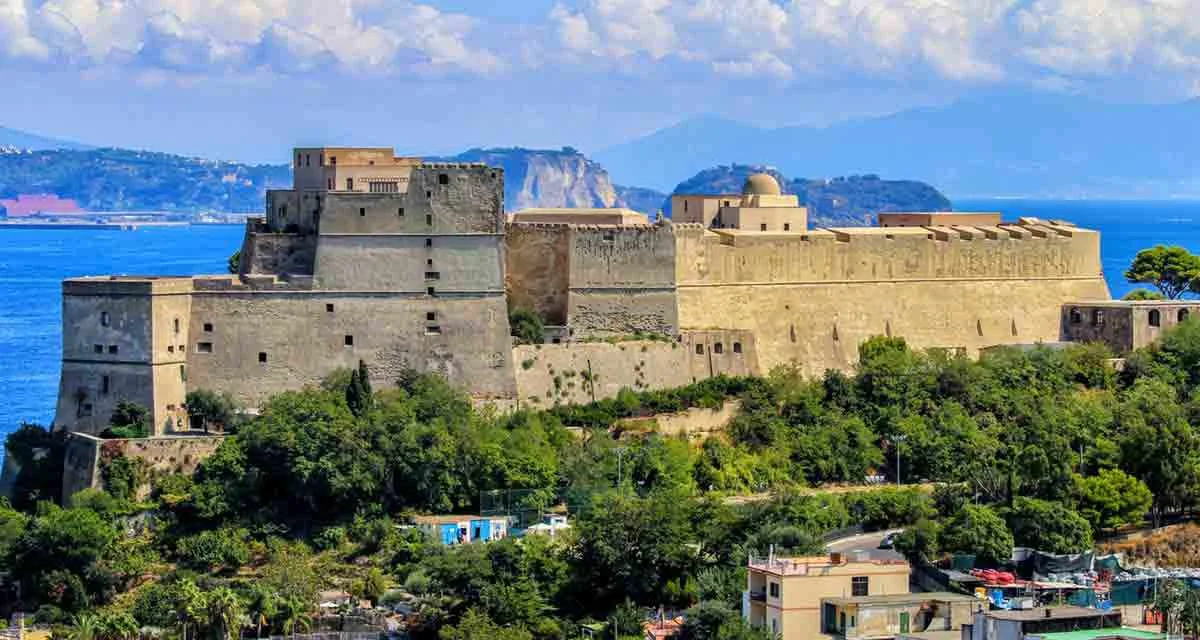
Frequently asked questions
Are castle and museum separate admissions?
The Park lists them as one site; special services may have separate terms.
Did the villa belong to Julius Caesar?
The Park suggests a possible link, not a proven attribution.
Are underwater statues all originals?
Distinguish recovered originals, underwater replicas and reconstructions; check individual objects.
Is every object on display?
Catalogue locations do not guarantee current display.
Does the circuit include the underwater park?
No. The listed standard circuit includes the Castle, Baths of Baia, Cumae and Flavian Amphitheatre.