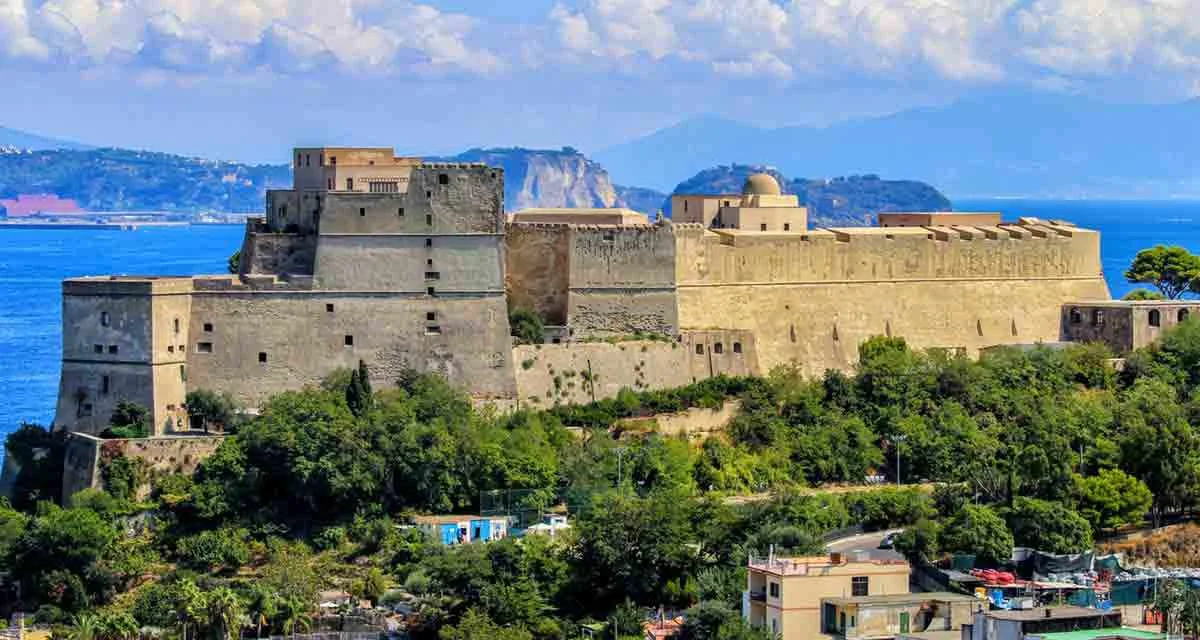
Bacoli’s famous Tomb of Agrippina actually preserves remains of a Roman seaside residence, where legend meets archaeology.
LISTEN TO THE STORY
Audio guide
Voice settings
Read the transcript
Bacoli’s famous Tomb of Agrippina actually preserves remains of a Roman seaside residence, where legend meets archaeology.
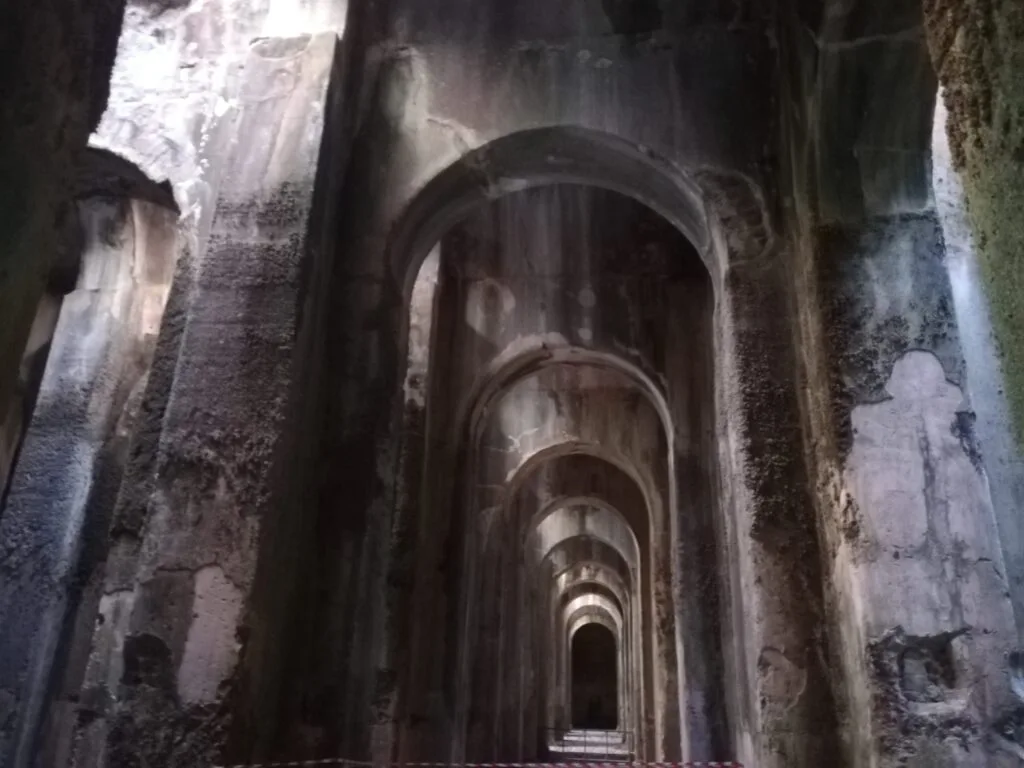
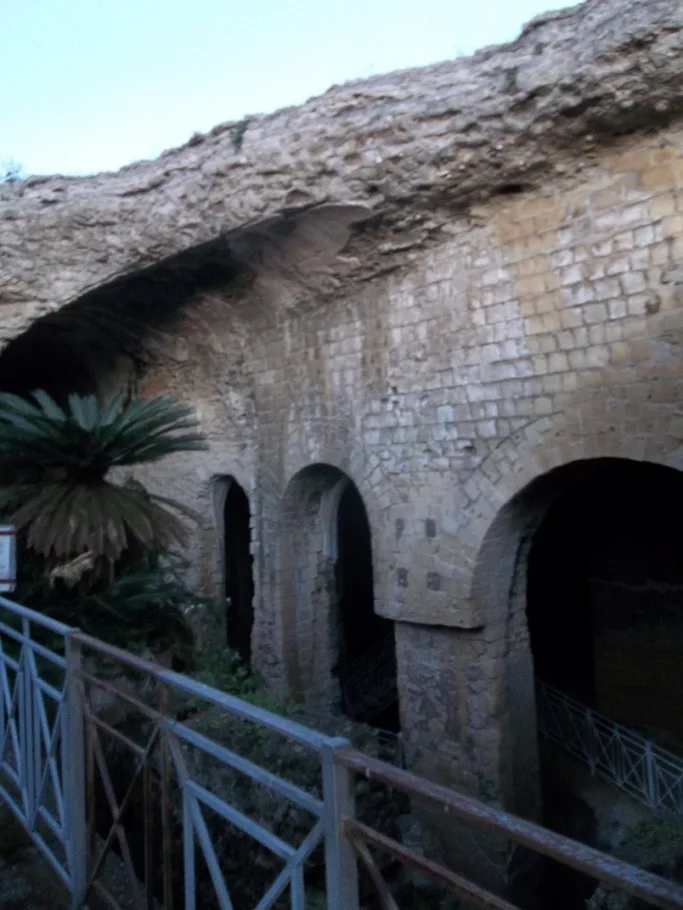
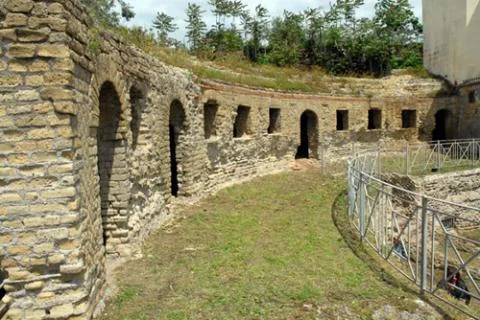
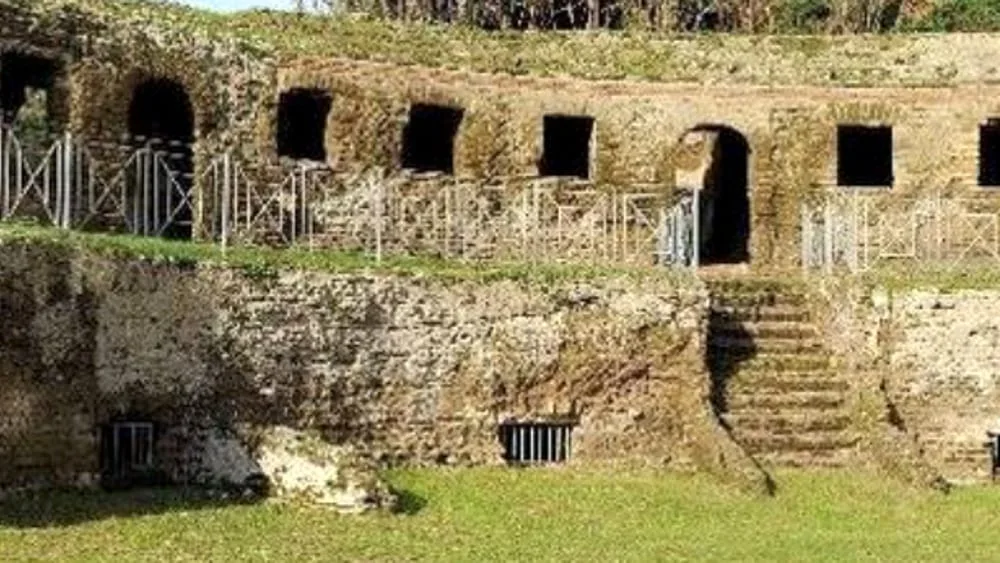
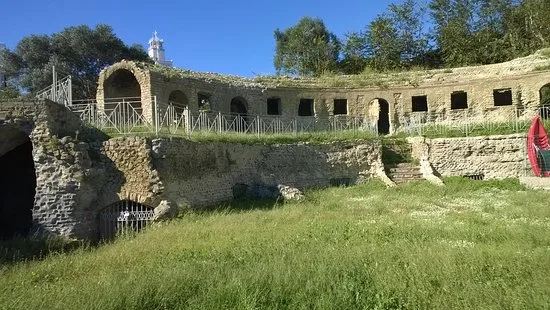
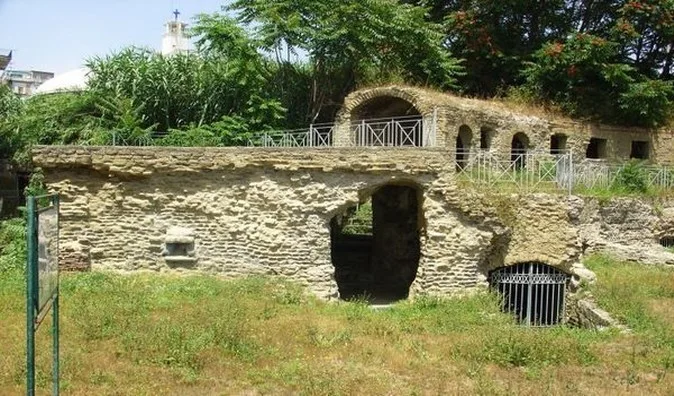
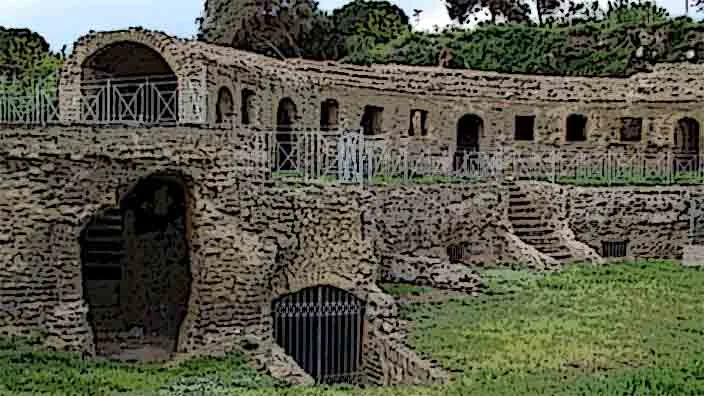
Antiquarians associated these structures with Agrippina, who died in 59 CE. Archaeological study instead identified a small theatre later adapted into a nymphaeum. Curved spaces bear witness to this transformation and its connection to a seaside residence.
The present position of the remains also reflects changes in the ground and coastline. The site provides an opportunity to distinguish inherited stories from conclusions grounded in archaeology. The historic name remains useful for identifying the place, provided it is not treated as proof of a burial.
Archaeologists now identify a theatre transformed into a decorative water feature within a villa.
Instead it tells us how buildings changed function and how later fascination with Rome produced enduring interpretations.
This guide is designed to help you discover the site remotely as well. Respect closures and access restrictions.
History
Antiquarians associated these structures with Agrippina, who died in 59 CE. Archaeological study instead identified a small theatre later adapted into a nymphaeum. Curved spaces bear witness to this transformation and its connection to a seaside residence.
The present position of the remains also reflects changes in the ground and coastline. The site provides an opportunity to distinguish inherited stories from conclusions grounded in archaeology. The historic name remains useful for identifying the place, provided it is not treated as proof of a burial.
What to notice
- Curved structures
- Traces of the original theatre
- Relationship with the sea
Photo gallery
6 photos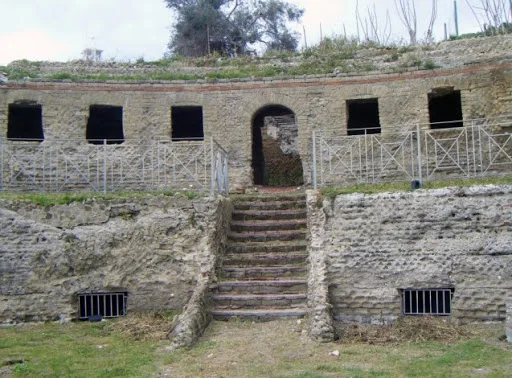
Frequently asked questions
Was Agrippina buried here?
There is no evidence for that identification; the monument is interpreted as a theatre converted into a nymphaeum.
Can I visit?
The Ministry lists the site as closed every day of the week; check for updates before planning a visit.