From the Sibyl’s Cave to the acropolis sanctuaries, Cumae brings together Greek and Roman civilisation, ancient stories and everyday life.
LISTEN TO THE STORY
Audio guide
Voice settings
Read the transcript
Cumae tells a story older than imperial Rome.
Cumae emerged in a landscape of encounters between sea and land. Archaeological research reveals local communities predating Greek settlement. In the second half of the eighth century BC, the foundation of the Greek colony, connected with Euboean settlement on Ischia, transformed the region. Cumae became a major centre of Greek culture in the western Mediterranean.
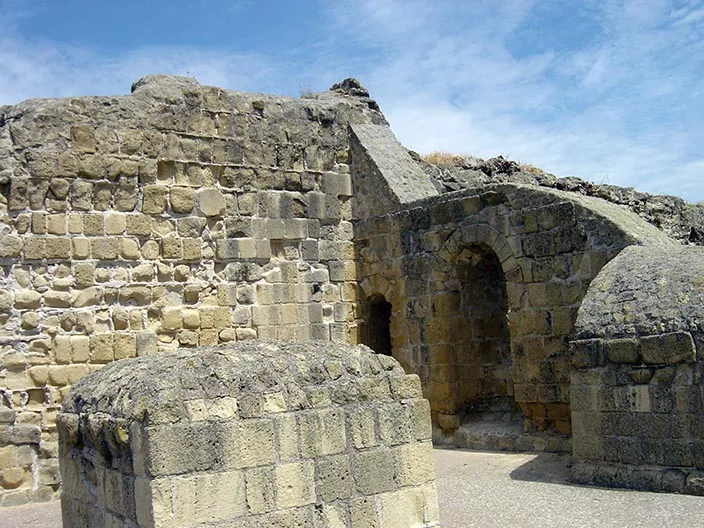
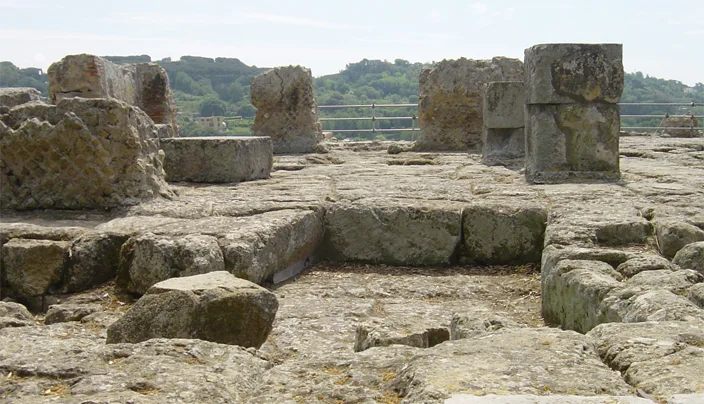
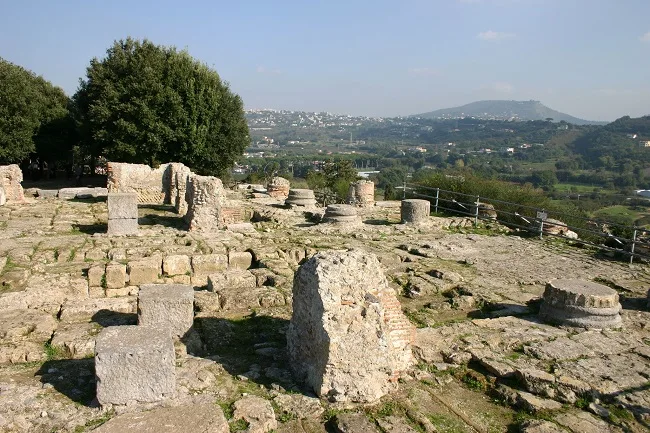
On the acropolis, the fortified height of the town, sanctuaries reveal the relationship between worship and landscape. The Sacred Way connects different levels and preserves evidence of successive periods. Traditional temple names are not definitive identifications: recent studies propose that the upper sanctuary long called the Temple of Jupiter was associated with Apollo. Virgil’s story of Daedalus, by contrast, belongs to mythology.
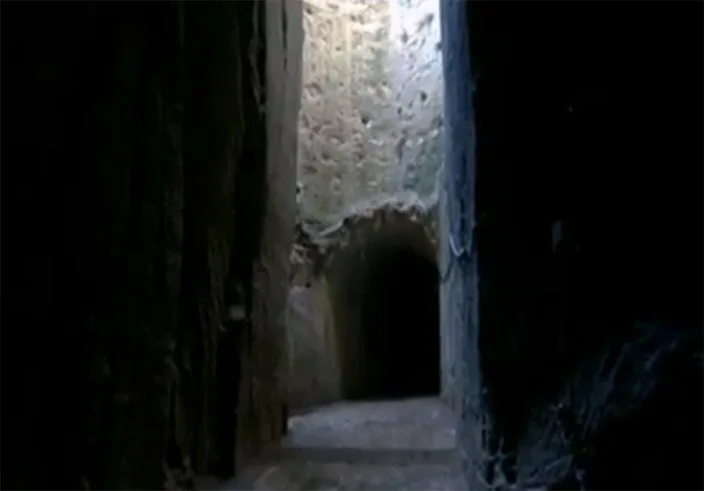
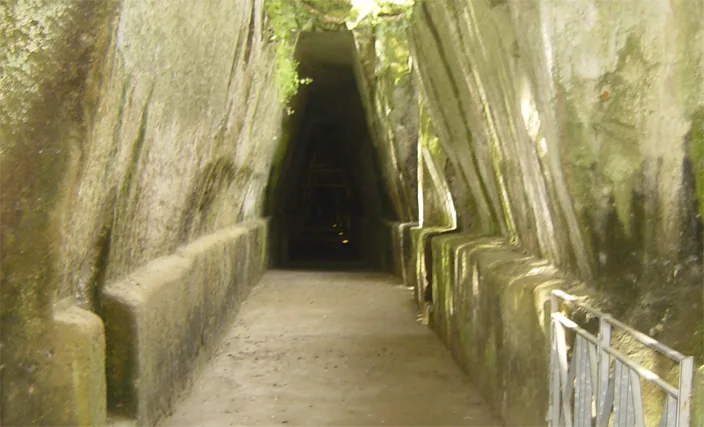
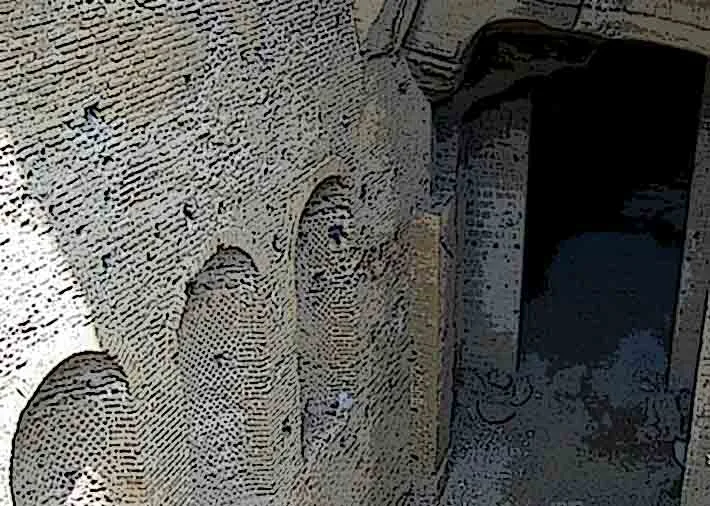
The Sibyl’s Cave is a passage cut into tuff. Its name evokes the priestess of the Aeneid, but archaeological interpretations suggest an original defensive purpose followed by later alterations. Literary fascination and scientific investigation can coexist without being confused.
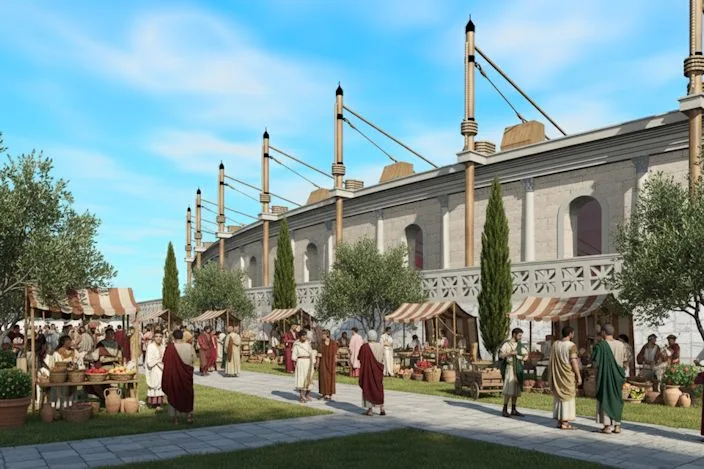
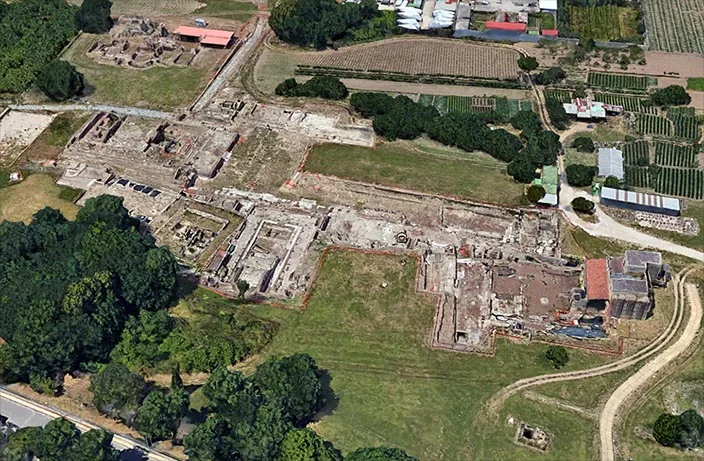
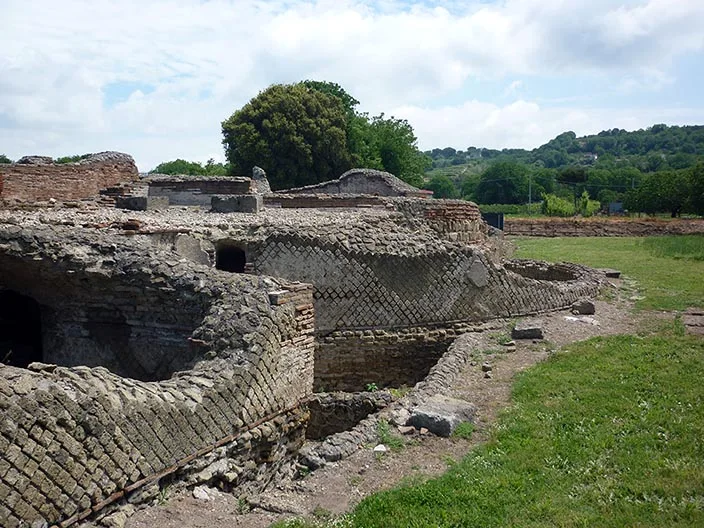
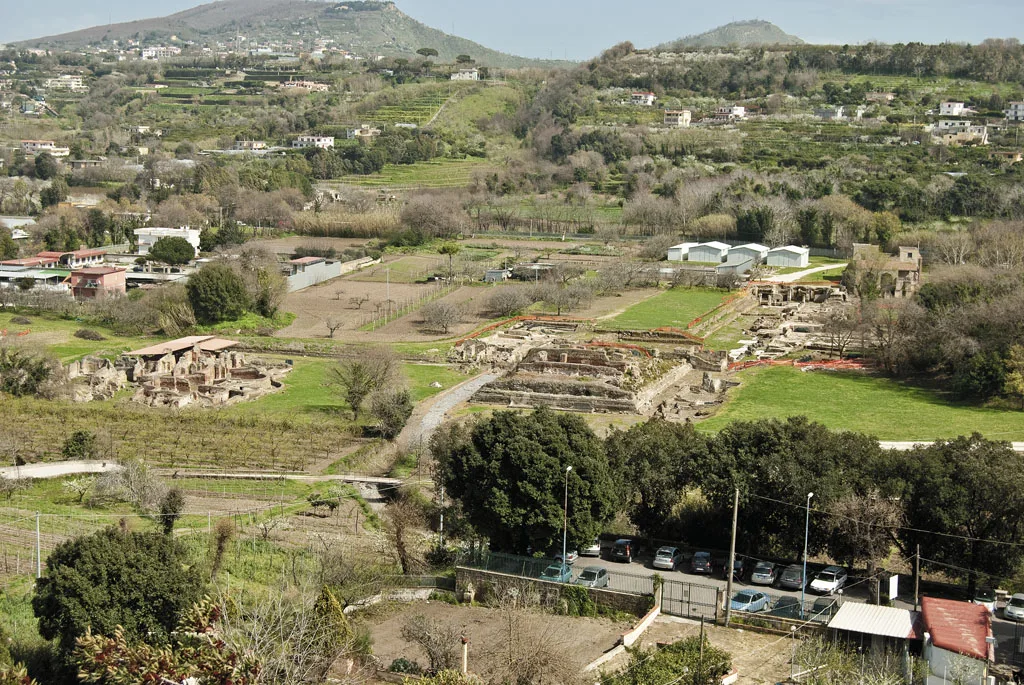
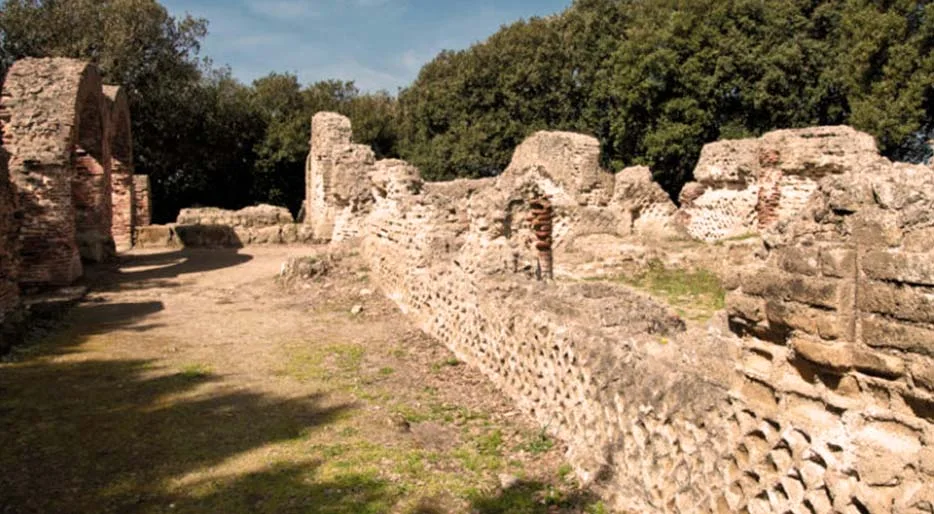
The lower town evokes everyday life. Houses, streets, the forum and public buildings reveal Samnite and Roman phases. In late antiquity the acropolis again took on a defensive role. Modern excavations continue to uncover this long history.
Local communities, Greek colonists, Samnites and Romans left traces in the same landscape.
History
Before the Greek colony
Cumae emerged in a landscape of encounters between sea and land. Archaeological research reveals local communities predating Greek settlement. In the second half of the eighth century BC, the foundation of the Greek colony, connected with Euboean settlement on Ischia, transformed the region. Cumae became a major centre of Greek culture in the western Mediterranean.
The acropolis and its sanctuaries
On the acropolis, the fortified height of the town, sanctuaries reveal the relationship between worship and landscape. The Sacred Way connects different levels and preserves evidence of successive periods. Traditional temple names are not definitive identifications: recent studies propose that the upper sanctuary long called the Temple of Jupiter was associated with Apollo. Virgil’s story of Daedalus, by contrast, belongs to mythology.
The Sibyl’s Cave: myth and archaeology
The Sibyl’s Cave is a passage cut into tuff. Its name evokes the priestess of the Aeneid, but archaeological interpretations suggest an original defensive purpose followed by later alterations. Literary fascination and scientific investigation can coexist without being confused.
The lower town and later centuries
The lower town evokes everyday life. Houses, streets, the forum and public buildings reveal Samnite and Roman phases. In late antiquity the acropolis again took on a defensive role. Modern excavations continue to uncover this long history. The different areas do not automatically constitute a single accessible visitor route.
Historical timeline
- Prima dell’VIII sec. a.C.
Indigenous settlement and activity.
Source - Seconda metà VIII sec. a.C.
Formation of the Greek colony.
Source - Età sannitica
Urban and defensive changes.
Source - Età romana
Monumentalisation and urban continuity.
Source - VI sec. d.C.
Fortified hill during the Gothic War.
Source - 1927
Establishment of the archaeological park.
Source - 1932
Excavation of the passage by Maiuri.
Source
What to notice
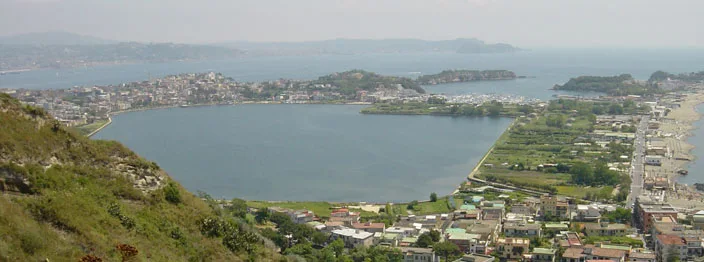
- The relationship between hilltop and coastal plain.
- The levels of the sanctuaries and the Sacred Way.
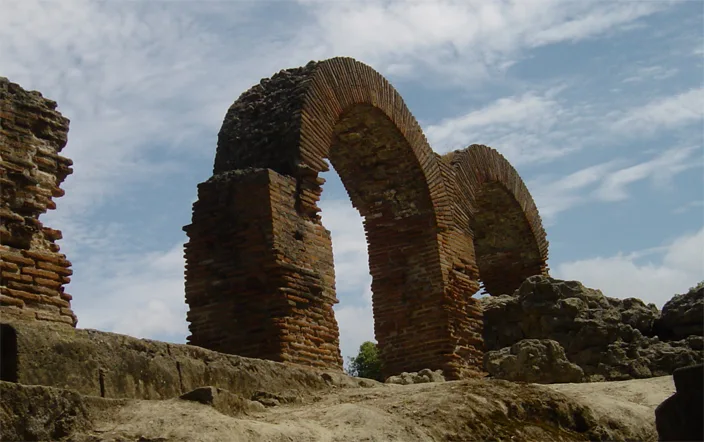
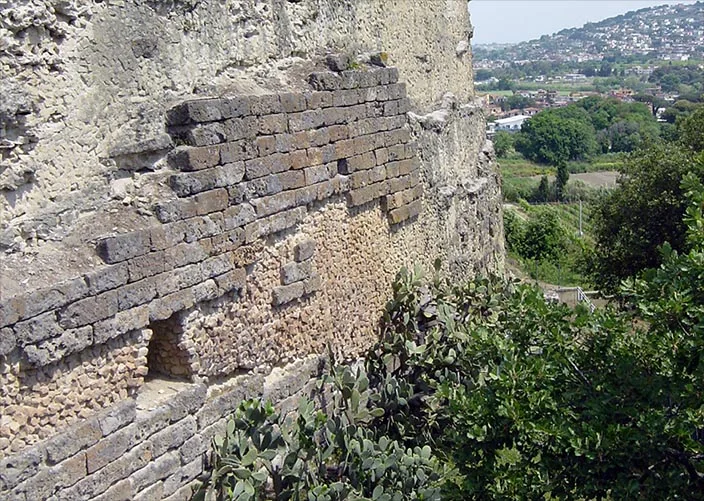
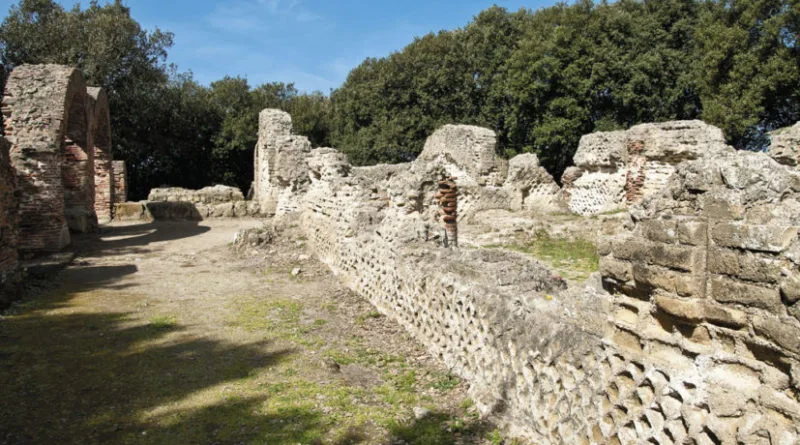
- Changing construction materials and techniques.
- The shape and light of the Sibyl’s Cave, only from authorised areas.
- Connections between the Forum, homes and streets in the digital guides.
Photo gallery
5 photos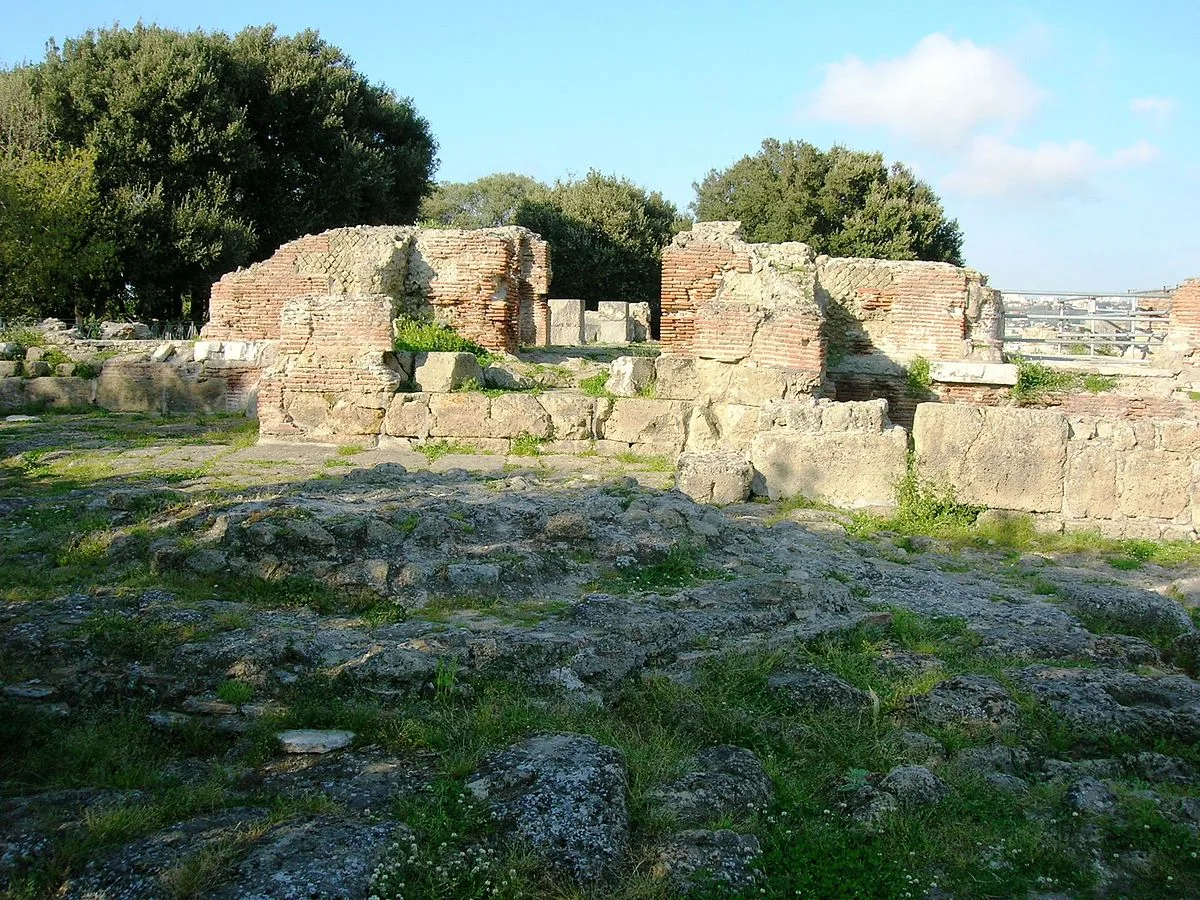
Frequently asked questions
When was the Greek colony founded?
In the second half of the eighth century BCE, in an already inhabited area.
Was the cave really an oracle?
The name is traditional; research interprets it as a defensive passage.
Was the Temple of Jupiter dedicated to Jupiter?
That is its historic name; newer studies propose Apollo.
Can I visit the lower city?
The operator lists access only on special occasions.
Is Cumae included in the Phlegraean circuit?
Yes, according to the Ministry. Check conditions and availability.
Do the internal monuments require separate tickets?
They are not treated as separate entrances; check park conditions.